
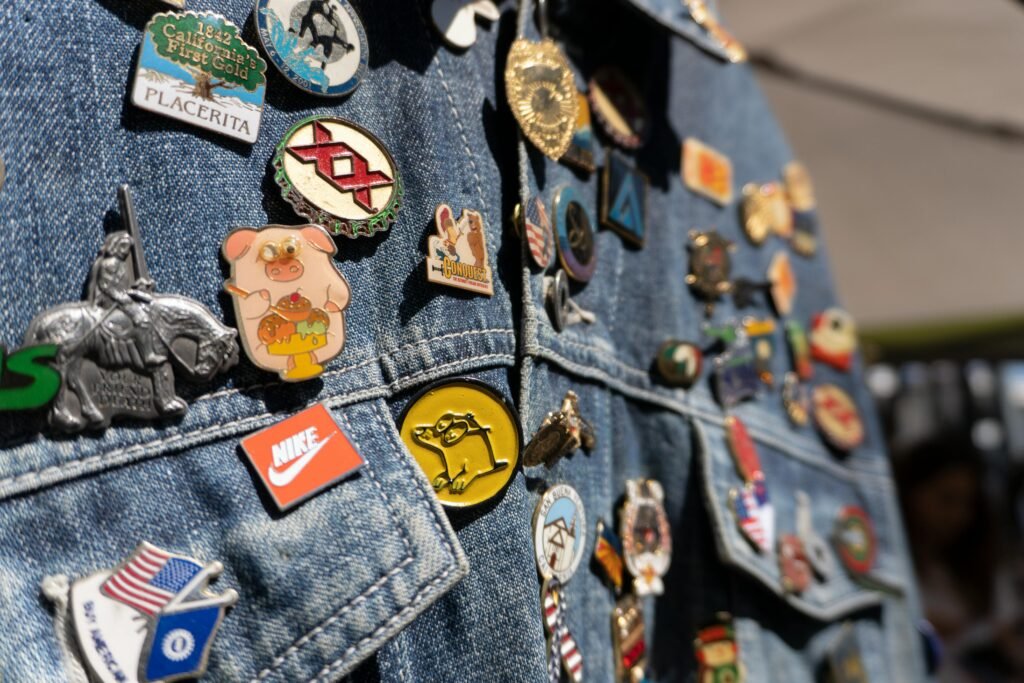

In the world of accessories, few items are as versatile and meaningful as pins and badges. These small, decorative pieces have been around for centuries, evolving from functional tools to powerful symbols of identity, belonging, and personal expression. While the terms “pin” and “badge” are often used interchangeably, they each have distinct characteristics and purposes that set them apart. Let’s explore the history, differences, and cultural significance of these beloved tiny treasures.
What Are Pins and Badges?
At their core, both pins and badges are small, attachable accessories designed to be worn on clothing, bags, hats, or other items. However, their design, function, and intent differ in key ways.
A pin is typically a small, decorative piece with a sharp metal point on the back, secured by a clasp, butterfly fastener, or magnet. Pins come in endless shapes, sizes, and designs—from simple enamel pins featuring cute characters or minimalist patterns to intricate metal pins with gemstones or hand-painted details. Their primary purpose is often decorative: they add a pop of personality to an outfit, showcase a hobby, or commemorate a special event (such as a concert, festival, or travel destination). Pins are often collected, traded, and displayed, making them a popular hobby for people of all ages.
A badge, on the other hand, is usually more formal and symbolic. Badges are often larger than pins and are designed to signify membership, achievement, authority, or affiliation. They may feature text, logos, or emblems that represent a group, organization, or accomplishment. Unlike pins, which are often optional and decorative, badges are sometimes required to be worn—for example, by employees, students, or members of a club. Badges can also be awarded as a recognition of excellence, such as academic badges, military insignia, or sports medals (though medals are a distinct subset of badges).
A Brief History of Pins and Badges
The history of pins and badges dates back thousands of years. Ancient civilizations, including the Egyptians, Greeks, and Romans, used pins to fasten clothing—long before zippers or buttons existed. These early pins were often made of bone, wood, or metal and were both functional and decorative. Over time, pins became a status symbol: wealthy individuals wore pins adorned with precious metals and gemstones to showcase their wealth and power.
Badges, meanwhile, emerged as symbols of affiliation and authority in medieval Europe. Knights wore badges to identify their family or lord, while guild members used badges to signify their trade. In the 19th and 20th centuries, badges became more widespread: military organizations adopted insignia to denote rank, schools used badges to represent house systems, and political movements used badges to spread their messages. Pins, too, gained popularity in the 20th century—enamel pins became a staple of pop culture, featuring characters from movies, TV shows, and music, as well as political slogans and social causes.
The Cultural Significance of Pins and Badges
Beyond their decorative and functional uses, pins and badges hold deep cultural and personal meaning. They are a way for people to express their identity, values, and beliefs without saying a word. For example, a pin featuring a pride flag can signal support for the LGBTQ+ community, while a badge from a volunteer organization can show a commitment to service. Collecting pins can also be a way to preserve memories—each pin represents a moment, place, or experience that is meaningful to the collector.
In many communities, pins and badges foster a sense of belonging. Sports fans wear pins representing their favorite teams to connect with fellow fans, while members of clubs or organizations wear badges to identify with their group. Badges can also be a source of pride: earning a badge for academic achievement, military service, or community service is a tangible recognition of hard work and dedication.
Pins and Badges in Modern Culture
Today, pins and badges continue to be popular accessories, with new designs and trends emerging every year. Enamel pins, in particular, have experienced a resurgence in popularity, thanks to social media—collectors share their collections online, and independent artists create unique, handcrafted pins that appeal to niche interests. Badges, too, remain relevant: they are used in workplaces to identify employees, in schools to recognize student achievements, and in activism to raise awareness about social issues.
What makes pins and badges so enduring is their simplicity and versatility. They are small enough to be worn every day, yet powerful enough to tell a story. Whether you’re wearing a pin that represents your favorite hobby, a badge that signifies your profession, or a collection of pins that documents your travels, these tiny accessories are a way to make a statement about who you are and what matters to you.
Conclusion
Pins and badges may be small, but they have a big impact. From their ancient origins as functional fasteners to their modern role as symbols of identity and belonging, these accessories have stood the test of time. While pins are often playful and decorative, and badges are more formal and symbolic, both serve as a way for people to express themselves and connect with others. Whether you’re a collector, a fashion enthusiast, or someone who wears a badge as part of their daily life, pins and badges are a simple yet meaningful way to add personality and purpose to your style.